Uncategorized

The Best Boomerville Hotel will soon be open!


Happy weekend everyone!

fullsizeoutput_12ea

Just wanted to share this lovely article from a Cumbrian Press – the first from the area where my new book is based.

Download here:

“The Best Boomerville Hotel will be open for business!”

I have such lovely memories of living in Cumbria and it was a joy to write this book.

Available on pre-order below, to be delivered to your E-reader on publication day:

The Best Boomerville Hotel

Happy reading,

with love,

Caroline xx

thumbnail


Uncategorized

The Best Boomerville Hotel – Now available for pre-order …

THE BEST BOOMERVILLE
HOTEL

by
Caroline James

thumbnail
Available to pre-order now*:
The Best Boomerville Hotel

*on all e-reader platforms – see below


Well the day has finally arrived when I can reveal the cover of my new book, The Best Boomerville Hotel. I hope that you like it as much as I do. I want to say a massive thank you to all the wonderful readers who have supported me in my writing journey so far, I couldn’t have done it without you and I hope you enjoy this book as much as I enjoyed writing it xx

‘Britain’s answer to the Best Marigold Hotel! Book me in for Sharing with the Shaman and Clairvoyance in mid-life – this book is fabulous!’
Nikki Ashton, best-selling author

Let the shenanigans begin at the Boomerville hotel …

Book


Jo Docherty and Hattie Contaldo have a vision – a holiday retreat in the heart of the Lake District exclusively for guests of ‘a certain age’ wishing to stimulate both mind and body with new creative experiences. One hotel refurbishment later and the Best Boomerville Hotel is open for business!
Perhaps not surprisingly Boomerville attracts more than it’s fair share of eccentric clientele: there’s fun loving Sir Henry Mulberry and his brother Hugo; Lucinda Brown, an impoverished artist with more ego than talent; Andy Mack, a charming Porsche-driving James Bond lookalike, as well as Kate Simmons, a woman who made her fortune from an internet dating agency but still hasn’t found ‘the One’ herself.
With such an array of colourful individuals there’s bound to be laughs aplenty, but could there be tears and heartbreak too and will the residents get more than they bargained for at Boomerville?

Pre-Order your copy today: The Best Boomerville Hotel

AMAZON
KOBO
IBOOKS/GOOGLE
ITUNES

Early reviews:

‘I wish I could check into Boomerville and participate in the courses. I loved this book, it is a great read. Thanks to the author for bringing the crazy characters to life.’ Ronnie Montgomory, London.

‘Boomerville gripped me from the start with twists and laugh out loud moments. I loved it and hope we see more adventures in the future.’ Lisa Stewart, Southampton.

‘Caroline is a wonderful storyteller and I felt enveloped in a cocoon while reading Boomerville.’ Therese Ferguson, Author, USA.

‘Caroline’s characters shone their magic brightly and kept me hooked, evoking strong emotions. A triumph, I absolutely loved this book.’ Nicky Clifford, Author.

‘A coming of age book for those of a certain age.’ Ann Magbanua, Philipines.

‘Caroline’s best book yet. I loved the characters and the Lake District setting was gorgeous. Boomerville is a wonderful journey.’  Amanda Williams, Wales.

PUBLICATION DATE:
13 March 2018
ISBN:
978-1-912550-00-5
FORMAT:
eBook
CATEGORY:  Contemporary/Romantic Comedy
From multi-award winning  ChocLit Publishing:
http://www.choc-lit.com

IMG_4313

Happy reading ,

with love and thanks for your support

Caroline xx

fullsizeoutput_12a4

Uncategorized

Caribbean Cake Making…

I made a cake today. It is a very special cake made with heaps of love and will be winging its way across the Atlantic in a few weeks.

IMG_4284

The recipe for Caribbean Black Cake is traditionally used for wedding cakes and celebrations such as Christmas. Each Caribbean island household has its own version of this recipe and adapt it to their preference. The dark colour of the mix comes from prunes, dates, sultanas and currants but in this recipe I wanted a lighter cake and used tropical fruits in the ingredients, which I soaked in white rum and will douse weekly in the next three months, with Malibu which has a lovely coconut and rum flavour.

caribbean cake with rum

Don’t be fooled by its innocent appearance. This cake has plenty of punch and is spicy and very boozy – just like a typical Caribbean celebration!

IMG_4289

Here’s my recipe below.  Happy cake making and happy celebrations!

With love

C x


Caribbean Celebration Cake

Ingredients

750g of mixed dried fruits, finely chopped

500ml dark rum

½ tbsp Angostura bitters

250g unsalted butter

250g demerara suga

200g plain flour

50g ground almonds

1 tsp baking powder

2 tsp ground mixed spice

1 tsp freshly grated nutmeg

Finely grated zest 1 lemon & 1 orange

4 large eggs

2 tsp vanilla extract

One 23cm diameter, deep loose-bottomed cake tin, greased and lined

Method

Place the dried fruit in a large bowl and add Angostura bitters. Cover with cling film, then set aside in a cool, dark place to soak for 24 hours. This is the minimum soaking time*

Heat the oven to 150°C/130°C fan/gas 2. Grease and line a deep 23cm diameter loose- bottomed cake tin with baking paper.

In a mixing bowl, combine the flour, ground almonds, baking powder, mixed spice and lemon zest. In a separate large bowl, use an electric mixer to cream together the butter and demerara sugar until light and fluffy. Beat the eggs into the butter mixture, one by one, then stir in the vanilla extract.

Fold the dry ingredients into the butter mixture until fully combined. Fold in the fruit. Pour the cake batter into the prepared cake tin, then transfer to the oven and bake for 31⁄2-4 hours until a skewer pushed into the centre of the cake comes out clean.

Remove the cake from the oven and leave to cool in the tin for 20 minutes. Turn out onto a cooling rack, then brush the top of the cake generously with a couple of tablespoons of dark rum. Allow the rum to soak in and the cake to cool completely before serving.*

*I soak the fruit for as long as possible – up to a year, When the cake is made, I wrap in greaseproof paper and store in an airtight tin for up to three months before serving. Each week or so, unwrap and brush generously with dark rum, re-wrap and store.


Uncategorized

As 2017 closes…

As a difficult 2017 ends, I am nervous to say the least. it is only a few weeks to my next book coming out and as always, I am filled with fear as to how this latest ‘baby’ will be received. The manuscript went out to advance readers and I am cheered by comments made in their feedback. If anyone thinks writing, editing and publishing a book is easy – it ain’t!

I am looking forward to 2018 and creating various projects and travelling where possible. Working with a new publisher is exciting and I feel supported, optimistic and energised.

As the year closes I will leave you with a saying that my boomer characters in The Best Boomerville Hotel take to heart:

In the end, it’s not the years in your life that count. It’s the life in your years.

Abraham Lincoln

Whatever your dreams, do make them come true. Get some lovely memories in the bank for the days when you no longer can.

I wish everyone health, happiness and joy in the beautiful year ahead.

C xx


Uncategorized

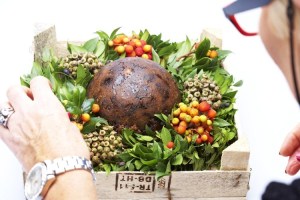
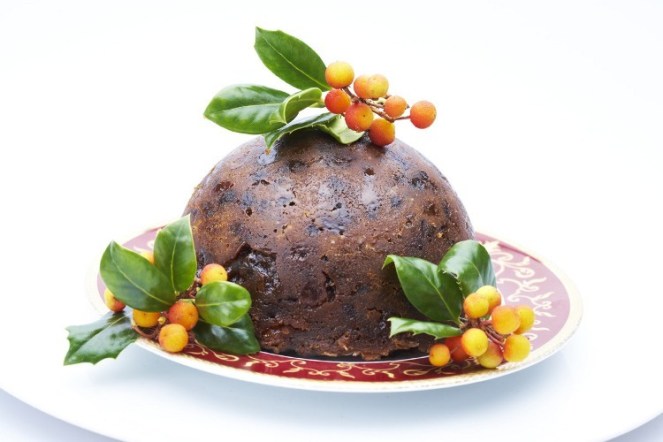
Stir It Up Sunday Christmas Pud recipe…

Here’s a great recipe for your Christmas puddings this year. Today is Stir It Up Sunday and the day to be making the puds.

2444087488

Traditionally, the preparation of Christmas puddings began on Stir-up Sunday an informal term in Anglican churches for the last Sunday before the season of Advent.

I made this whilst on a photoshoot with the great chef Martin Blunos, when he was an ambassador for Buckfast Tonic Wine. Martin is a wonderful chef and we had a blast with Barry Mellor, a food photographer who really knows his business.

Martin says that Buckfast Tonic Wine is an ideal ingredient to include in the recipe and I have to agree. It is rich and sweet and has flavours that complement the seasonal dish.

Enjoy making!

2444087627


Ingredients:
180ml Buckfast Tonic Wine

115gr sultanas

115gr raisins

285gr currants

25gr mixed peel, finely chopped

25gr glace cherries, halved

25gr almonds, chopped

1 small apple, peeled, cored and grated

1/2 lemon, zest microplaned

1/2 orange, zest microplaned

110gr shredded suet

60gr self raising flour

110gr white bread crumbs (from a day old loaf)

¼ tsp ground cinnamon

¼ tsp grated nutmeg

½ tsp mixed spice

225gr soft brown sugar

2 medium eggs

. pinch of salt

Makes 1 x 1.2 litre or 2 x 570ml puddings in basins


Method:

Place all of the dried fruits into a bowl and pour the Buckfast over – cover well and leave for a couple of days in the fridge.

Strain the soaked fruits, keeping the Buckfast.

In another (large) bowl mix the suet, flour, breadcrumbs, sugar, spices and salt – mix well.

Then mix in the zests, peel, nuts, apple and finally the drained soaked fruits.

In another bowl beat the eggs with the reserved Buckfast pour all over the dry mixture and stir – this is a big job to do so you can cheat by using a machine, but as its Christmas everyone in the family should give the pudding mix a stir for good luck – the mix should be a dropping consistency if it’s a touch dry add a little more Buckfast.

Cover bowl with cling film and put in the fridge overnight for the flavours to develop.

Grease your chosen (size) pudding basin with plenty of unsalted butter.

Pack in the mixture and level off evenly, cover with a circle of greaseproof paper then a pleated piece of tin foil sealing around the rim of the basin/s well.

Steam pudding/s for 8 hours minimum, check from time to time that the pan you’re steaming in doesn’t boil dry!

When done – cool and store (best made in late October/November)

When needed steam for 2 hours and serve with a drizzle of Buckfast over the top of the piping hot pudding and a good dollop of clotted cream.


©martinblunos for Buckfast Tonic Wine


Uncategorized

Jungle Rock

Thanks to Jennifer Wilson and her lovely blog for this post to celebrate #JungleRock Birthday celebrations xx

jennifercwilsonwriter's avatarJennifer C. Wilson

Jungle Rock BannerJungle Rock – A romantic comedy novella

Handsome young chef Zach Docherty is feeling the heat. Following an exposé in a national newspaper, his fiancée Poppy Dunlop has broken their engagement. Heartbroken at the thought of life without Poppy, Zach drowns his sorrows and, when his agent suggests that Zach becomes a contestant in a reality TV show, Jungle Survival, he reluctantly agrees. Plunged deep in the jungle, into a bizarre mix of talent and trials, Zach meets glamour model Cleo Petra, and the cameras go crazy. Will Zach survive and be crowned Jungle King? Or will his latest exploits push Poppy further away…

Extract:

Jungle Rock CoverCelebrity Chef and TV game show contestant, Zach, appears to be struggling in the Jungle…


“Would you believe it?” Hattie was aghast. “He’s only bleedin’ raised his hand before the first grub has even landed!” She sat with Jo and stared in horror as Mac…

View original post 612 more words

Uncategorized

#JungleRock Birthday celebrations – Live Your Dream

To celebrate the first anniversary of my novella Jungle Rock, here is another post on the birthday tour…


via Jungle Rock By @CarolineJames12 @rararesources #AuthorSpotlight #Giveaway

Uncategorized

A Recipe For Disaster, Interview with Author & TV Producer, Stephen Phelps

A Recipe for Disaster

20615698_1530038370395338_5202781570643232699_o

“Cooking up a Big Italian Idea!”


“A cookbook & travelogue companion to Cookucina, a TV series .”

www.cookucina.com 

The blurb also tells me that this book and accompanying cookery series is an, “Entertaining journey of an Englishman struggling with the ups and downs of living in rural Italy.”

I was hesitant to read something with a title that suggests a gloomy outcome but having spent time in the area of Italy so lovingly described, I was curious and decided to plough on. I am so pleased that I did.

Recipe for Disaster Cover


Stephen Phelps gave up a successful career in television, to make a TV cookery series in Tuscany, a region of Italy that he had come to love. His partner, Tam, can’t cook but inspired by neighbour Lia, a great cook, he is persuaded to embark on a six-part series. The book that followed and the series, A Recipe For Disaster outlines their many encounters with the real Italy – a world away from the picture-book ideal of summer holidays in Tuscany. I was keen to throw some questions to Stephen and learn about his experience…

Recipe for Disaster - SP best pic
Stephen Phelps

Stephen, welcome to my blog. I adored your book but the title of your book seems an ominous premonition of things to come, did you chose the title before or after filming and writing and why?

I chose the title after making the series and just before completing the book. It was originally to be called MY BIG ITALIAN IDEA, and I think you can still find traces of that in the text. It starts for instance with the notion that our neighbour Lia was trying to sell us on a “Big Idea.”

Trailer for Cookucina – https://youtu.be/rh_wHv1o1Lg

Other than the 30-degree heat in August what was the most difficult thing you experienced during filming?

That’s easy, the lack of a fully-trained and properly equipped support crew. As exemplified by the problems we faced when we came to record the sound during filming in the tight  confines of the kitchen. Here’s a clip from the book about that particular problem:

Now here’s something else you can’t get in a small country town in Italy at a moment’s notice – a boom. Professional sound recordists use a specially designed telescopic arm that allows them to get their microphone into the best possible position without getting in the shot. Sometimes they can be twelve or fifteen feet away and still get a microphone close enough to pick up a whisper. And somehow, by magic, they seem to know just exactly how close they can get without their fluffy grey windsock peeking into shot. … We didn’t have a windsock (of course), nor did we have a “specially designed telescopic arm”. So we had to improvise. Fifteen minutes later we were ready. The arc lights were switched on and I swung my “boom” into position. The microphone was now attached to the end of a broom handle with a red and white striped towel wrapped around it to act as a windsock. This was the Dunkirk spirit in action.

 What is Tam’s favourite recipe and why?

Her favourite recipe from the series is the Simple Onion Soup, because a) it’s the one she could really cook on her own, and b) it’s Simple!  But there’s one dish that I cook occasionally that she absolutely loves – chicken breasts wrapped in pancetta, drizzled with balsamic vinegar (the real, expensive, stuff) and honey, then baked in the oven for 20 minutes. Always guarantees me a compliment about my cooking.

20431718_1530038383728670_251541236026198104_n

I tried the Simple Onion Soup recipe and it is absolutely delicious! But moving on, would you recommend self-financing to other would-be film-makers?

Not unless they can’t avoid it. The pros are many. You are your own boss, and you can decide exactly what you want to do. If you get money from a broadcaster they will Inevitably be very prescriptive about how they want the series made. There’s more good news in that you hang on to all the rights to the show. But the bad news is that you have to find the way to get it out into the marketplace and then you have to do all the marketing yourself. Having said that, there are mechanisms like Quiver Digital now available for getting self-financed programme out there. Make no mistake though, filming the series is the easy bit!

Was it difficult to stick to budget and why?

In truth we had no actual budget. We just started, paying for things as and when they came up. Then, as it became apparent that we were actually going to get the material for a proper series, we began to encounter real outside costs like the editing of the series. And that’s when we had to be very sure that we were going to get something saleable at the end of it – otherwise it would have been money down the drain.

Have you any advice to would-be, self-financing film-makers?

Don’t do it! Unless and until you cannot find a proper outlet for the kind of work you really want to do. And be very sure that you have a clear marketing strategy in place before you start on this road.

What was the best bit about making a cookery series other than tasting the delicious recipes?

Travelling around and meeting the local farmers, the people who make the cheese and salami and so on.

What is the reaction of your friends and neighbours in Le Marche by this project?

Very positive. So far. After the recent earthquakes the region needs a boost to its tourism prospects and I think they see this as very helpful in that respect. Most of the neighbours don’t speak any English though – so I could be saying anything about them. But they trust me, thank goodness!

Will you make more episodes and if so, what would the content be?

Yes, but only if this series really takes off and delivers some financial return. We shot this first series in high summer, and we always had a vague plan to do a series for each of the four seasons. The seasons here are markedly different, and so is the food that gets eaten. Chestnuts are really plentiful and delicious right now for instance.

Do you think online viewing with content by independents is here to stay and a good way to market a series? Please explain your thoughts.

I would like to think so. But whether it will be in the form of “conventional” series like COOKUCINA or through much shorter clips of the sort that populate YouTube is another question. We did think for a while of producing a series of Cookucina shorts for YouTube – but maybe that is for another day. The real issue is where does the money come from. Traditional TV costs a great deal of money to make (often upwards of $50,000 an hour). It’s by no means clear what future, online, financial model will generate the funds to support those kind of production values. It’s what we have tried to do with Cookucina, but so far we are well out of pocket. The good news, though, is that it can stay on sale for ever, and with the right promotion maybe its time will come!

20525604_1530038380395337_2421610395628033621_n

Your writing is very eloquent and makes great reading. (Thank you for that, Caroline!) Did you do an MA in creative writing to assist in script writing or have you found it has helped in other areas?

Recipe for Disaster Cover

I thought I was going to make a living as a TV dramatist, but in fact I have written a lot of radio drama for the BBC, but no TV. I have three full-length screenplays waiting to be discovered, and I do have to say that the scriptwriting training taught me a lot about how to structure when I sat down to write my first book.

What’s next for Stephen Phelps?

No idea! I am a great one for just picking up the next thing that comes along and running with it. Having said that, I have just started on a  rather difficult novel (my first). I’d like to think I have a good novel in me – but then don’t we all?

Thanks for joining me on my blog and good luck with your venture.

Download: A Recipe For Disaster

You can contact Stephen on the links below:

Stephen Phelps – Social Media Links 

Twitter                   @StephenP_Writer

Faceboook           https://www.facebook.com/stanley.tinker

Instagram              stephenp_writer

Medium                https://medium.com/@stephenphelps

Web                         www.cookucina.com

Trailer for Cookucina – https://youtu.be/rh_wHv1o1Lg

Purchase links:

iBooks                     http://bit.ly/iRecDis

Kindle                     http://bit.ly/KdleRecipe

Paperback             http://bit.ly/RecDis

Goodreads            http://bit.ly/GoodRec

Smashwords        http://bit.ly/SmaRec

Recipe For Disaster Full Banner

Uncategorized

News! Caroline James joins ChocLit’s new imprint RUBY FICTION

I am thrilled to share the news that I am now part of the ChocLit team of authors as the multi-award winning British Independent Publisher, launches their exciting new imprint, Ruby Fiction.

My next novel, The Best Boomerville Hotel, will be published by Ruby in 2018.

IMG_4101

Lyn Vernham, Managing Director of Choc Lit said: “We are delighted to welcome Caroline aboard and for her to champion our exciting new imprint Ruby Fiction. Rubies are said to inspire emotions more than any other gemstone and Caroline’s novel, The Best Boomerville Hotel, certainly gets the emotions going on so many levels. Our readers are in for a real treat.” 

Logo 2

The Best Boomerville Hotel, set in the Lake District, is a fun retreat for mid-lifers and beta reader comments include:

“Britain’s answer to the Best Exotic Marigold Hotel!”

“A triumph – I wish this place exsisted!”

“A coming of age book for those of a certain age…”

“Absolutely loved it – gripping from the start.”

“Boomerville will have you laughing and crying, a lovely addictive read.”


* * *


www.carolinejamesauthor.co.uk

Twitter: @CarolineJames12

Facebook: Caroline James Author

Amazon Author Page

Uncategorized

Prue Leith Interview – Cook turned Novelist…


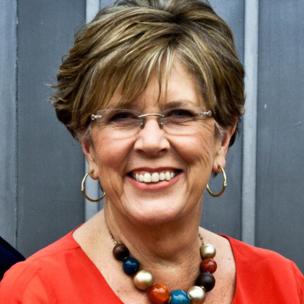
prue_leith_1x1When the Great British Bake Off returns to our screens Prue Leith CBE, will replace Mary berry as one of the judges, bringing with her 50 years of culinary experience.

Prue has been the Grande Dame of British Cookery for several decades and is familiar to many as a judge in the hit TV series Great British Menu.  Her illustrious career began with her first, award-winning restaurant in London and continued with a series of successful ventures – Leith’s School of Food & Wine, Leith’s Management and Leith’s Events & Parties. She has been a multiple board-director including British Rail, Safeway, Halifax, Whitbread, Woolworths and Orient Express and worked tirelessly to improve school meals. Prue wrote her first novel at 55, published her fifth at 70 and now has seven under her belt. She has also written a memoir.

Prue is a full-time novelist and I spoke to her about her writing career.

One of the first cookery books I owned was Leith’s Cookery Bible; it never left my side in the 80s and I was in awe of your all round talent in the industry. What made you sell your businesses and try your hand at writing novels?

Leiths-cookery-bible

P: I realised that I’d never get the novel banging away in my head out onto paper if I didn’t stop writing cookbooks and running a demanding business.

Have you always wanted to write novels?

P: I only started to want to write a novel at about 40. However, I had written a play when I was at university and short stories for children when my own children were little.

Many characters in your books reflect aspects of your own business life. Do you find it difficult to get away from your past career?

P: No, I loved my career and I am basically lazy, so I write about the stuff I already know about.

Your personal life has been described as colourful and you detail this in your memoir, Relish, My Life on a Plate. It is very frank and shows a side of Prue Leith previously unknown to the public. One critic said it was ‘salacious’. Did you deliberately set out to shock?

P: I figured if you were writing an autobiography at all, it should be true. Otherwise write fiction. And frankly I think the press reaction was more about selling newspapers than genuine outrage. Who lived through the sixties without smoking a joint? How many women can put their hands on their hearts and say they have never had an affair?

Do you think writing a memoir/autobiography is a good thing to do?

P: Yes, partly as a record for your grandchildren, but also because it is interesting and informative to dig into your family history and your own character and motivation. But it’s not for everyone.

When did you start writing creatively and have you had many rejections?

I did have some rejections for children’s stories and film/TV ideas, but since I was busy with my catering business I didn’t dwell on them. I am pretty up-beat anyway. And I was lucky because I already had a great agent handling my cookbooks, the famous Pat Kavanagh, and she could hardly refuse to represent me as a novelist. My first novel did get some rejections but they went to Pat and not to me, so the blows were softened. But then Penguin liked it and since then, touch wood, no rejections.

You were married to a writer, Rayne Kruger. Did he influence your novel writing?

P: Rayne refused to read anything of my first novel for fear of wanting to influence or discourage me. He said he would read it in print, and if I failed to get it published then he’d read it in MSS and try to help me.

You had a thirteen-year affair with Rayne before he asked you to marry him. Is this story veiled in your novel Sisters and was it cathartic to write about the affair?

P: Yes, I suppose it was cathartic when writing Relish, but the connection did not occur to me when writing Sisters. The truth is I use a lot of my own experience in my novels, but I think all novelists do. How do you write about sadness, or fear, or elation, if you have never felt them?

Five years after Rayne’s death, you found late romance with Sir Ernest Hall. Did you ever expect to fall in love again?

P: Absolutely not. I would get really grumpy when people said things like, “You’ll find someone else, don’t worry.”

At the end of that relationship did you have any regrets?

P: No regrets. I had a very up and down time with Ernest, on account of his manic depression, but I adored him and him me. We had a wonderful time together and I learnt a lot about music since he was a pianist and we went to a lot of concerts. We still talk on the telephone.

Have you always wanted to write novels?

P: No, but I’ve always had to write something. Writing is a disease, at least for me. I don’t feel happy unless I do it regularly but it could be anything: cookery, fiction, journalism, even business reports or long emails.

Do you find the process of writing difficult or easy?

P: I write fast and easily, but then tinker forever. Lots of rewrites, edits, changes.

Do you ever suffer from writer’s block?

P: No, I sometimes find excuses to do other stuff, fiddling about, reluctant for some reason to plunge in. But once I’m into it, I like it and don’t want to stop.

How do you react to reviews, good and bad?

P: Unsurprisingly, I’m thrilled by the good and upset by the bad. But what really annoys me, is the patronising pat on the head: “Quite good for a cook,” sort of review or foodie references like, “Prue Leith has cooked up a delicious soufflé,” etc. And I think most women novelists suffer from the labels, “romantic fiction” or “women’s novels” or “beach read” or “Aga saga”… But if a man writes about family and love it is, “An insightful study of family relations” or, “An in-depth understanding of the channels of loss and love,” etc.

Are any of the characters in your novels based on yourself?

P: Often they have something of me in them. In Choral Society Joanna is an organising businesswoman. She can’t sing, and she’s frightened that all her friends are from work and they’ll vanish when she retires. Lucy is a food writer and grieving widow. Rebecca is nothing like me, but she’s what I’d quite like to be: irresponsible, fun loving, always up for anything.

 Would you say you are a romantic at heart?

P: Aren’t we all?

What’s the most romantic thing you’ve ever done?

P: One winter weekend in St Petersburg with Rayne, he’d arranged a troika for a ride in the snow through the forest for my birthday. It was a sunny day and we swerved through the trees like Julie Christie in Doctor Zhivago.

You’ve been quoted as saying: “Writing is an incurable disease.” Why do you feel that?

P: Because I can’t stop – it’s an addiction. I don’t need to work anymore, so it’s not the money. I love travel, my garden and my grandchildren. But I keep doing it.

You’ve been writing novels for fifteen years. Do you have a favourite and why?

P: Yes, The Gardener, which is about a woman gardener restoring an historic garden. It’s a sort of reverse Lady Chatterley with a twist in the tale. I’d LOVE to see it as a Merchant Ivory movie.

You started your first business from a bed-sit in Earl’s Court. Where do you write from today? Do you have a special place for novel writing?

P: No I write in the kitchen, at my desk, in bed, on trains and planes, anywhere. Have been known to sneak out of a boring party and pull out my laptop in the ladies loo.

What’s the best bit of writing advice you’ve been given?

P: Cut out the adjectives, the exclamation marks and the first paragraph.

Have you any advice for an aspiring writer of women’s fiction?

P: Do a four-day Arvon writing course and use The Literacy Consultancy (TLC) who will read your manuscript and tell you what’s wrong with it.

What’s your proudest moment?

P: When Penguin bought my first novel: Leaving Patrick.

 If you could do it all again would you change anything?

P: No, I’ve had a great varied, interesting, lucky life.

At a talk you gave I was transfixed by your wonderful red suede boots (and immediately purchased a pair). Is there a story behind them?

P: One day when Ernest was giving a concert and his ex-wife (much younger than me) and I were both there, I noticed that she was wearing those boots. I tried them on and they were amazingly comfortable and made me feel about twenty. So I bought a pair and am still wearing them.

Do you still cook and do you have a favourite meal?

P: I could not stop cooking any more than I could stop writing. I like self-catering on holidays because you get to see the local markets. If I am worried or unhappy I cook, even if it’s just to make jam. My mother used to say, if I was grumpy, not “What you need is a sleep” or “What you need is a walk in the fresh air,” but “What you need is an hour in the kitchen.” My favourite meal changes all the time. At the moment it is Haggis and Neeps with lumps of butternut squash added to the mash, and a fresh tomato and onion sauce with chilli.

Prue, it has been a joy to talk to you. Thank you so much.

www.prue-leith.com

@PrueLeith